
So hey guys! today we’re learning about Organic Farming- exploring not just the techniques, but also how it can benefit us financially and improve our health.
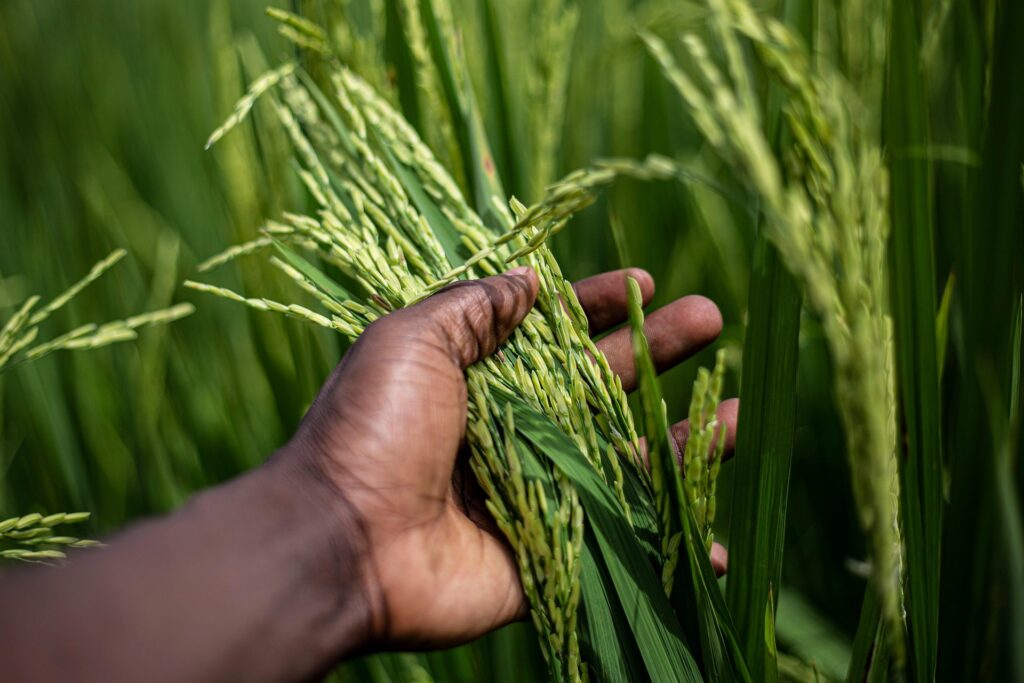
What is Organic Farming?
Organic farming is a method of growing crops without using synthetic fertilizers, chemical pesticides, or genetically modified organisms. it is all about working with nature, maintaining soil health, conserving biodiversity, and producing food that is safe, nutritious, and environmentally friendly. Organic farming helps us live a healthier life, and at the same time, it gives farmers better income by providing natural, chemical-free food to the world.
Role of organic farming in Healthcare
Organic farming plays a crucial role in healthcare by promoting natural and chemical free food production because in organic farming we don’t use synthetic fertilizers, chemical pesticides, or genetically modified organisms, which are often linked to various health problems. Reduces exposure to harmful chemicals, prevents chronic illness, boosts nutritional value, improves gut health.
1.Crop Rotation(फसल चक्र)
Crop rotation is about growing crops in a sequence on the same land. in this method we don’t grow same crop on the same land different crops are grown on the same land to maintain the soil fertility and to prevent the pests and diseases from building up. For example, growing legumes like moong or urad after a cereal crop like wheat or rice can naturally restore nitrogen in the soil. By rotating crops smartly, we reduce our need for fertilizers and get better things in the long run.
2.Use of Organic Manures & Farmyard Compost(जैविक खाद और गोबर की खाद का उपयोग)
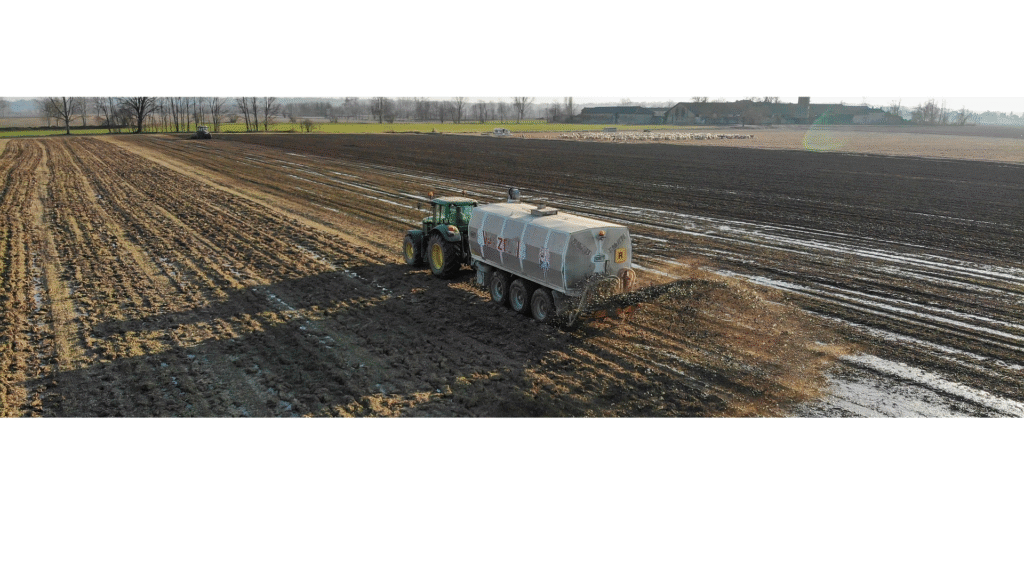
In organic farming we use natural manure like cow dung, green compost and decomposed plant waste instead of using chemicals and synthetic fertilizers and GMOs. Farmyard manure improves the soil’s structure, increases its moisture-holding capacity, and supplies essential nutrients to plants. By regularly adding compost to the fields, we can reduce or cost of production and improve the health of our crops naturally.
3.Vermicomposting (केंचुआ खाद)
In vermicomposting we use earthworms to convert the organic waste into nutrient rich compost. This technique is very effective in improving soil fertility. Earthworms eat up organic material like kitchen waste, dry leaves, and cow dung, and their castings become an excellent natural fertilizer. This method is not only eco-friendly but also a low-cost solution that even small-scale farmers can adopt easily and hey guys u can trust me because my father is using this technique and it’s been 8 years it is broadly effective.
4.Natural Pest Control(प्राकृतिक कीट नियंत्रण)
In organic farming we use natural ways to control pests instead of chemicals. we use Neem oil, garlic spray, and chili-garlic paste are some common homemade biopesticides. Additionally, we grow pest-repelling plants like marigold or tulsi near our crops. These techniques reduce harmful residues on food, protect beneficial insects like bees, and ensure that the product is organic and safe for consumers.
5.Mulching(मिट्टी को ढकना)
In mulching we cover the soil with the organic materials like straw, dry leaves, or grass clippings. It helps retain soil moisture, prevents weed growth, and regulates soil temperature .By using easily available farm waste, this technique can reduce irrigation needs and improve soil health over time. In hot climates, mulching also protects the roots of plants from extreme heat.
Final Thoughts
Organic farming isn’t just good for the soil—it’s also good for our pocket and health. With these simple and sustainable techniques, we can improve yields, reduce costs, and build a healthier future for all of us. Whether you are a small-scale grower or a large farm owner, it’s time to embrace organic farming and grow naturally.
Thank you so much for taking the time to read this blog. I hope you found these organic farming techniques useful and inspiring. \
If you enjoyed this post, don’t forget to share it with your fellow farmers, students, or anyone passionate about sustainable agriculture.
I’ll see you in the next blog with more tips, knowledge, and ideas to help you grow naturally and successfully.
Till then, take care and happy farming!
Milte hain agle blog mein!